
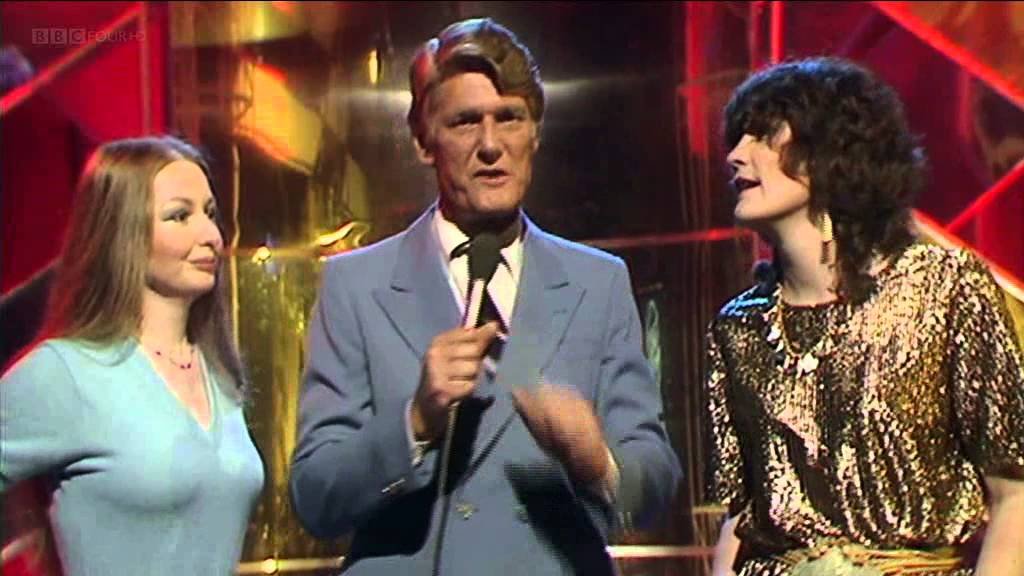
Few performers from the golden age of British television have maintained the enduring fascination and admiration enjoyed by Sue Menhenick. Known primarily for her appearances on the legendary music program Top of the Pops, she became one of the most recognizable dancers of her era, helping define a unique period in British pop culture where choreography, music, and television merged into a powerful entertainment experience.
While many television personalities enjoyed brief moments in the spotlight, Sue Menhenick built a reputation based on consistency, professionalism, and remarkable versatility. Her journey through several influential dance troupes, including Pan’s People, Ruby Flipper, Legs & Co., and later Zoo, places her among the most significant performers in the history of televised dance. Her career reflects the evolution of entertainment television during the 1970s and early 1980s, making her a fascinating figure for fans of music history, television history, and dance culture alike.
Who Is Sue Menhenick?
Sue Menhenick is a British dancer best known for her long-running association with Top of the Pops, one of the United Kingdom’s most influential music television programs. Throughout her career, she became a familiar face to millions of viewers who tuned in weekly to watch chart-topping artists and professionally choreographed dance performances.
What makes her career particularly distinctive is the breadth of her involvement across multiple dance groups connected to the show. Rather than being associated with a single troupe, she successfully transitioned through several generations of televised dance ensembles, demonstrating adaptability and artistic range at a time when television entertainment was rapidly changing.
The Cultural Landscape of British Television Dance
The 1970s represented a transformative period for television entertainment in Britain. Music television was becoming increasingly influential, and viewers expected more than simply watching performers sing. Producers recognized that choreography could enhance audience engagement and create memorable visual experiences.
Dance troupes emerged as an innovative solution. These groups provided energetic performances that complemented chart hits, helping transform songs into complete visual spectacles. Within this environment, talented dancers gained celebrity status, and audiences began recognizing individual performers alongside musicians. It was in this thriving creative ecosystem that Sue Menhenick established herself as a standout talent.
Early Career Foundations
Every successful performer develops their craft through years of training, discipline, and practical experience. Before becoming a household name, Sue Menhenick devoted significant effort to mastering dance techniques and stage performance skills.
This foundation proved invaluable as the entertainment industry demanded versatility. Television dancers needed to adapt quickly to different musical genres, visual concepts, and production requirements. Strong technical abilities allowed performers to deliver polished routines despite demanding schedules and constant creative changes.
Entering the World of Top of the Pops
Top of the Pops occupied a unique position in British culture. For decades, it served as a weekly snapshot of the nation’s musical tastes, showcasing the most popular songs and artists of the moment. Appearing on the program often represented a significant milestone for musicians and performers alike.
For dancers, the show provided an unparalleled platform. Millions of viewers watched each broadcast, giving talented performers national visibility. Sue Menhenick’s association with the program allowed her abilities to reach an exceptionally large audience, contributing significantly to her popularity and professional reputation.
Pan’s People and a New Generation of Television Dance
Pan’s People became one of the most influential dance troupes in British television history. The group introduced audiences to a distinctive style of performance that blended contemporary dance, theatrical presentation, and popular music.
When Sue Menhenick joined the organization, she became part of a legacy already recognized for excellence. The experience exposed her to high-profile productions and allowed her to work within a creative environment that emphasized precision, innovation, and audience appeal.
Adapting to Changing Entertainment Trends
Television audiences rarely remain static in their preferences. Successful performers understand the importance of evolving alongside cultural trends while maintaining the qualities that made them popular in the first place.
Sue Menhenick’s career demonstrates this adaptability. Rather than remaining tied to a single style or format, she embraced new opportunities and participated in changing creative directions. This willingness to evolve helped extend her relevance across multiple phases of television entertainment.
The Ruby Flipper Era
Ruby Flipper represented a notable departure from previous dance troupe formats. Unlike earlier groups, it incorporated male dancers, creating opportunities for different choreographic approaches and visual presentations.
Participation in Ruby Flipper highlighted Sue Menhenick’s ability to thrive in experimental environments. The group’s innovative format challenged conventional expectations and demonstrated how dance programming could continue evolving to meet audience interests.
Legs & Co. and Mainstream Success
For many fans, Legs & Co. remains the troupe most closely associated with Sue Menhenick. The group became immensely popular, appearing regularly on Top of the Pops and earning widespread recognition throughout the United Kingdom.
Legs & Co. combined technical dance ability with glamour, creativity, and accessibility. Their performances helped define an era of music television, and the group maintained remarkable stability compared to many entertainment ensembles. Sue Menhenick played a central role in that success, contributing to the troupe’s consistency and popularity over several years.
Why Legs & Co. Resonated with Audiences
The success of Legs & Co. was not accidental. The troupe possessed several qualities that appealed strongly to television audiences, including polished choreography, strong group chemistry, and the ability to interpret diverse musical styles.
Viewers appreciated the performers as individuals as well as collective entertainers. This personal connection helped transform the dancers into recognizable television personalities, creating a loyal audience that followed their performances week after week.
A Career Defined by Longevity
Longevity in entertainment often reflects more than talent alone. Sustained success typically requires professionalism, reliability, adaptability, and the ability to work effectively under pressure.
Sue Menhenick’s lengthy tenure on Top of the Pops demonstrates these qualities. Remaining active across multiple troupe transitions and evolving production styles required consistent excellence. Her continued presence reflected the confidence producers and choreographers placed in her abilities.
Performance Style and Artistic Strengths
Many successful dancers possess a combination of technical expertise and personal charisma. While choreography provides structure, audience engagement often depends on a performer’s ability to project personality and emotion.
Observers frequently noted the elegance and professionalism associated with Sue Menhenick’s performances. Her ability to adapt to varying musical genres while maintaining strong stage presence contributed significantly to her enduring popularity among viewers.
The Audience Connection That Set Her Apart
One reason audiences connected with Sue Menhenick was her ability to make performances feel effortless. Even in highly choreographed routines, she projected a sense of confidence and authenticity that resonated with viewers.
Television dance relies heavily on visual communication, and her expressive performance style helped create memorable moments. This connection with audiences contributed significantly to her lasting popularity.
The Evolution of Dance Costumes on Television
Costume design played a major role in the success of television dance troupes during the 1970s and 1980s. Wardrobe choices helped establish themes, reinforce musical styles, and enhance visual storytelling.
Throughout her career, Sue Menhenick appeared in a wide range of creative costumes that reflected changing fashion trends. These visual elements became an important part of the entertainment experience and remain iconic among fans.
Behind the Scenes of Weekly Productions
Producing a weekly television dance performance required extensive preparation. Rehearsals, choreography sessions, costume fittings, and production meetings all had to be coordinated within tight deadlines.
For performers, maintaining consistency under these conditions demanded discipline and focus. The ability to adapt quickly was essential, and experienced dancers often became invaluable members of the production team.
The Influence of Popular Music on Choreography
Dance routines were carefully designed to match the mood, rhythm, and energy of chart-topping songs. Different genres required different performance approaches, creating unique creative challenges each week.
This constant variety allowed dancers to showcase their versatility. Whether performing to disco, pop, rock, or ballads, successful performers had to interpret music in ways that enhanced audience enjoyment.
Recognition Among Top of the Pops Fans
Decades after her television appearances, Sue Menhenick continues to be remembered by dedicated fans of classic British entertainment. Online discussions, fan communities, and retrospective features frequently highlight her contributions.
This enduring recognition reflects the strong impression she made on viewers. While many television performers fade from public memory, her work remains closely associated with a beloved era of music broadcasting.
The Professionalism Required for Long-Term Success
Sustaining a successful career in entertainment involves much more than talent. Reliability, preparation, and teamwork often determine whether a performer can thrive over an extended period.
Sue Menhenick’s longevity suggests a commitment to these professional qualities. Her continued involvement across multiple dance troupes demonstrated the trust placed in her by producers and creative directors.
How Television Dance Has Changed Since Her Era
Modern audiences consume music through streaming platforms, social media, and digital video services. As a result, the role of dedicated television dance troupes has evolved significantly.
Despite these changes, many contemporary performance styles can trace their roots back to earlier television productions. The creative innovations pioneered during Sue Menhenick’s career helped shape future entertainment formats.
Preserving the Legacy of Classic Television Performers
Interest in television history has grown substantially in recent years. Archival footage, documentaries, and fan-driven preservation efforts have helped ensure that important performers are not forgotten.
These initiatives allow new generations to discover influential entertainers from previous decades. As a result, the achievements of performers like Sue Menhenick continue to reach audiences far beyond their original broadcasts.
Lessons Future Performers Can Learn
Aspiring dancers can gain valuable insights from studying successful television careers. Technical skill remains important, but adaptability and professionalism are equally critical for long-term achievement.
The career of Sue Menhenick demonstrates how consistent dedication can create lasting opportunities. Her journey highlights the value of embracing change while maintaining high performance standards.
Why Sue Menhenick Remains an Important Figure in Entertainment History
The significance of Sue Menhenick extends beyond individual performances or television appearances. Her career represents an important chapter in the development of music-based television entertainment.
As audiences continue exploring the history of British pop culture, her contributions remain highly relevant. She stands as an example of how talented performers can influence an entire era and leave a lasting cultural legacy.
The Enduring Appeal of Nostalgic Television
Nostalgia plays a powerful role in keeping classic television personalities relevant long after their original appearances. Viewers often revisit programs from past decades to reconnect with memorable cultural moments and familiar faces.
Sue Menhenick remains part of that nostalgic appeal because her performances are closely linked to one of Britain’s most celebrated music shows. Her work continues to evoke memories of a vibrant period in television and popular music history.
Celebrating a Career That Spanned Multiple Eras
Few performers successfully navigate major transitions within the entertainment industry while maintaining their visibility and reputation. Moving through different dance groups and evolving production styles requires resilience and adaptability.
The career of Sue Menhenick stands as a testament to those qualities. Her ability to remain a valued performer across multiple phases of television dance ensures her place among the most notable figures associated with the golden age of Top of the Pops.
The Importance of Television Dance in Pop Culture
Modern audiences accustomed to music videos may underestimate the importance of television dance troupes during the 1970s. Before the widespread rise of dedicated music channels, programs such as Top of the Pops served as essential visual companions to popular music.
Dance performers helped bring songs to life visually, adding excitement and narrative elements that enhanced audience enjoyment. Their contributions became an integral part of the viewing experience and influenced later developments in music-related television programming.
Comparing Sue Menhenick’s Major Career Phases
| Career Phase | Key Role | Significance |
| Pan’s People | Television dancer | Entry into nationally recognized dance entertainment |
| Ruby Flipper | Ensemble performer | Participation in an experimental troupe format |
| Legs & Co. | Core member | Peak mainstream visibility and popularity |
| Zoo | Featured dancer | Final phase of televised dance career |
| Post-Television Work | Professional performer | Continued involvement in entertainment projects |
This progression illustrates how Sue Menhenick remained relevant despite major changes in television production styles and audience expectations.
Working with Influential Choreographers
Behind every successful television dance troupe stands strong creative leadership. Choreographers shape performance styles, determine visual presentation, and ensure artistic consistency across productions.
The collaborative relationship between dancers and choreographers is essential. Success depends on trust, communication, and mutual respect. Throughout her career, Sue Menhenick worked within creative teams that demanded both technical excellence and artistic flexibility, contributing to the quality of performances that audiences remember decades later.
The Challenges of Weekly Television Performance
Producing fresh choreography on a regular basis presents significant challenges. Dancers must learn routines quickly, adapt to production schedules, and maintain performance quality despite demanding workloads.
This environment rewards discipline and professionalism. Consistently delivering polished performances week after week requires substantial preparation and commitment. The longevity of Sue Menhenick’s television career suggests a performer capable of meeting these expectations at a consistently high level.
A Memorable Final Appearance
One of the most frequently discussed moments in Sue Menhenick’s career was her final appearance on Top of the Pops. She performed a solo routine to Jon & Vangelis’ “I’ll Find My Way Home,” a gesture reportedly intended as recognition of her years of contribution to the program.
The performance carried symbolic significance. Rather than simply concluding a professional chapter, it celebrated an exceptional television career that had spanned multiple dance troupes and several years of entertainment history.
A Quote That Reflects Her Legacy
A fitting observation regarding long-term success in performance arts is:
“Great performers are remembered not only for talent but for consistency, professionalism, and the ability to connect with audiences.”
This sentiment aligns closely with the qualities often associated with Sue Menhenick’s television career and enduring popularity among fans.
Lasting Influence on Television Entertainment
Although television formats have evolved dramatically since the 1970s and early 1980s, the influence of pioneering dance performers remains visible. Modern entertainment programs continue to emphasize choreography, visual storytelling, and performer charisma.
The achievements of dancers such as Sue Menhenick helped establish standards that continue shaping television performance culture today. Their work demonstrated the value of integrating dance into mainstream music programming, influencing generations of producers, choreographers, and performers.
Conclusion
The story of sue menhenick is ultimately a story of adaptability, professionalism, and enduring cultural relevance. Through her work with Pan’s People, Ruby Flipper, Legs & Co., and Zoo, she became one of the most recognizable dancers associated with Top of the Pops and helped define a memorable era in British television history.
Her legacy extends beyond individual performances. She represents a period when dance played a central role in music broadcasting, transforming songs into engaging visual experiences for millions of viewers. Decades later, her contributions continue to attract interest from television historians, music enthusiasts, and fans of classic entertainment.
FAQ
Who is Sue Menhenick?
Sue Menhenick is a British dancer best known for her appearances on Top of the Pops and for performing with several famous television dance troupes, including Legs & Co.
Why is Sue Menhenick famous?
Sue Menhenick became famous through her long-running television dance career and her performances on one of Britain’s most influential music programs.
Was Sue Menhenick a member of Legs & Co.?
Yes. Sue Menhenick was one of the best-known members of Legs & Co., a highly popular dance troupe featured on Top of the Pops.
What other dance groups did Sue Menhenick join?
During her career, Sue Menhenick performed with Pan’s People, Ruby Flipper, Legs & Co., and Zoo, making her unique among many television dancers.
What was Sue Menhenick’s final Top of the Pops performance?
Sue Menhenick’s final Top of the Pops appearance featured a solo dance performance to “I’ll Find My Way Home” by Jon & Vangelis.
Why does Sue Menhenick remain relevant today?
Sue Menhenick remains relevant because her career represents an important chapter in British music television history and the evolution of televised dance performance.
You May Also Read Chris Malachowsky Net Worth

